Titania, Queen of the Faeries: Ovid, Shakespeare and the Queen of Elfland
Titania is the Queen of Diamonds in the Creatures of the Fae deck, the consort of Oberon and the brightest figure in its Seelie Court. She is the fairy queen most people can name, and she owes almost everything to one playwright and one Roman poet.
A name borrowed from Ovid
Before 1595 the queen of the fairies had no fixed name in English. In the ballads she is the Queen of Elfland or the Queen of Elphame, the lady who carries off Thomas the Rhymer and Tam Lin. In Chaucer she is Proserpina, married to Pluto, king of “fayerye”. Shakespeare could have used any of these. Instead he reached for Ovid.
In the Metamorphoses, “Titania” is not a name but a title: daughter of the Titans. Ovid applies it to the goddess Diana, to Latona, to Circe and to Pyrrha. Shakespeare, who read Ovid in Latin at school and quarried him for the rest of his life, lifted the epithet for his fairy queen. The association with Diana is probably deliberate. Diana is the virgin huntress of the moon and the woods, and Titania’s court is a moonlit wood full of hunting imagery. Arthur Golding’s English translation, the one most Elizabethans knew, drops the epithet entirely, so Shakespeare must have been working from the original.
The queen in the Dream
Shakespeare’s Titania is the moral centre of the fairy plot. She has taken in a human boy, the son of a devotee of her order who died in childbirth, and she will not give him to Oberon as a page. Her speech about the child’s mother on the Indian shore is one of the loveliest things in the play, and it is also the clearest statement in all of English literature of what the fae were thought to want from us: not our gold, but our children.
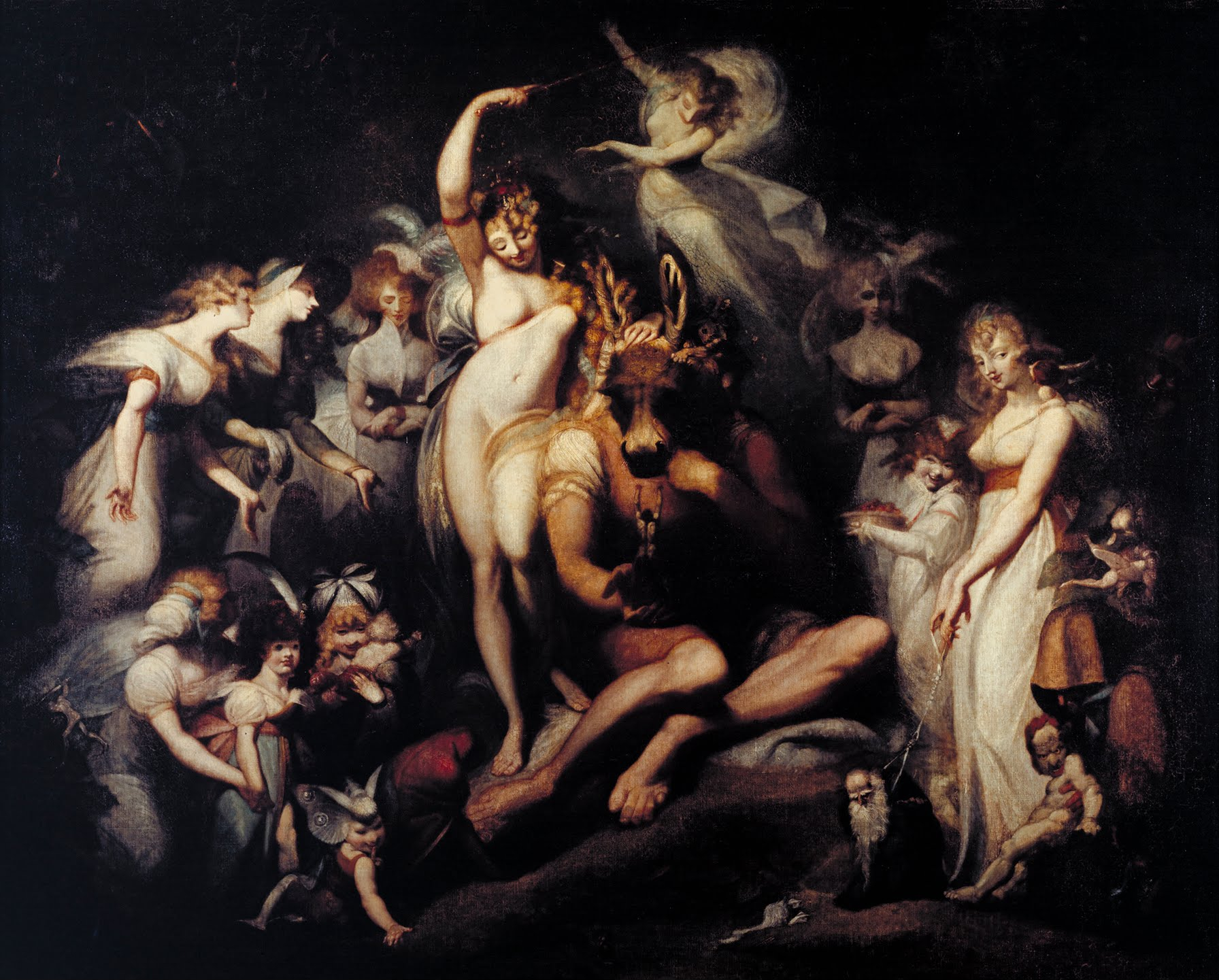
The price of her defiance is the famous enchantment. Oberon has Puck anoint her eyes, she wakes to the weaver Bottom wearing an ass’s head, and she falls in love with him. For a scene or two the queen of the fairies feeds a donkey-headed labourer with apricots and dewberries, winds him in her arms and calls him gentle. Then the spell is lifted, she is appalled, and the two monarchs are reconciled. It is a humiliation, and the play knows it. Titania is the only character in the Dream who is punished for keeping a promise.
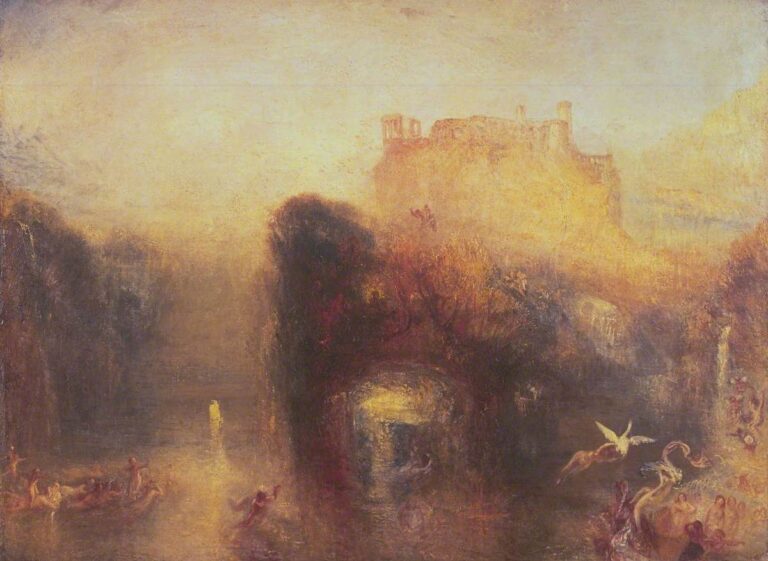
Painters have never been able to resist the Bottom scene. Henry Fuseli’s Titania and Bottom (c. 1790) is the great nightmarish version. Joseph Noel Paton’s Quarrel and Reconciliation (1846–49) show the queen in her glory, with half the fairy population of Scotland crowded around her feet. Mendelssohn’s incidental music (1842) gave her a wedding march that is still played at most weddings.
The queen behind the queen
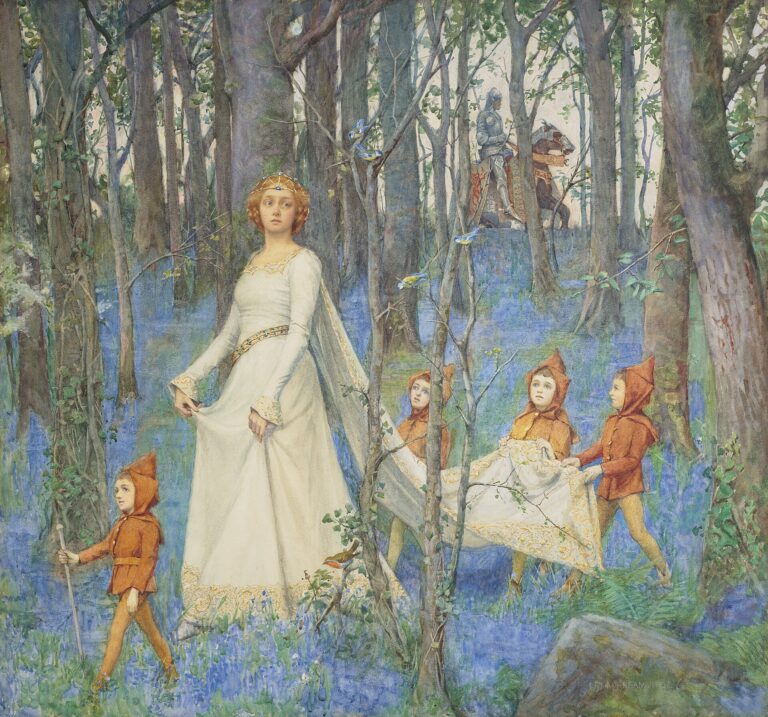
Titania is a literary creation, but the role she plays is older. Across the British Isles the fairy queen, not the king, was the one you were likely to meet. She is the Queen of Elfland who rides out on a milk-white steed in Thomas Rymer, kisses the poet under the Eildon Tree and keeps him seven years. She is the queen who claims Tam Lin as her knight and means to pay him to hell as a tithe. In the Scottish witch trials of the 1570s and 90s, accused women such as Bessie Dunlop and Andro Man described meeting the “Queen of Elphame” and receiving gifts and knowledge from her. She was taken seriously enough to burn people for.
So when Shakespeare made his queen gracious, loyal and ultimately kind, he was choosing one face of a figure who had several. The Creatures of the Fae deck keeps that in mind. Titania holds the Seelie Court as its queen; the other face of the fairy queen, the one who deals in dreams and nightmares, sits across the deck as the Queen of Spades.
On the card
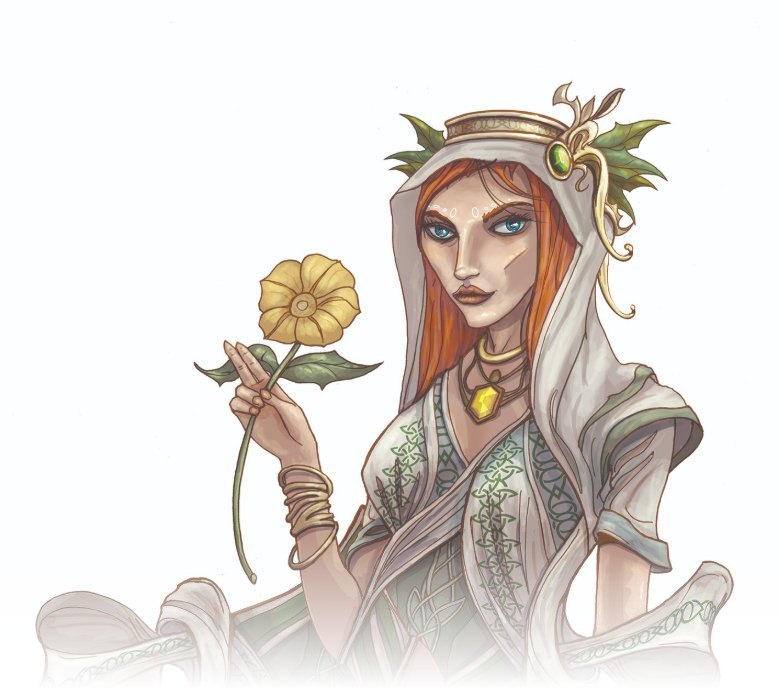
Titania is the Queen of Diamonds, between Oberon and Puck, in the suit that gathers the Shakespearean court together. If you are new to the deck and want to see how it handles a figure everyone thinks they already know, start with her.
Sources and further reading
- Ovid, Metamorphoses, Book III (Diana as Titania), c. 8 AD.
- William Shakespeare, A Midsummer Night’s Dream, c. 1595.
- Geoffrey Chaucer, The Merchant’s Tale, for Pluto and Proserpina as fairy king and queen.
- Francis James Child, The English and Scottish Popular Ballads, nos. 37 (Thomas Rymer) and 39 (Tam Lin).
- Emma Wilby, Cunning Folk and Familiar Spirits (2005), on the Queen of Elphame in the Scottish trials.
- Katharine Briggs, A Dictionary of Fairies (1976), “Titania” and “Fairy Queen”.
The twelve court cards
This post is one of twelve, one for each court card in the Creatures of the Fae deck. The Seelie Fae hold the red suits and the Unseelie Fae the black.
Seelie Fae
- Oberon, King of Diamonds
- Titania, Queen of Diamonds (this post)
- Puck, Jack of Diamonds
- the Brownie, King of Hearts
- the Pixie, Queen of Hearts
- the Leprechaun, Jack of Hearts
Unseelie Fae
- the Erlking, King of Spades
- Queen Mab, Queen of Spades
- Gwyn ap Nudd, Jack of Spades
- the Goblin, King of Clubs
- the Cat Sìth, Queen of Clubs
- the Red Cap, Jack of Clubs
The deck itself, with all twelve court cards, is here on Amazon.
Full disclosure: The Everyday Fae has a connection to the makers of the Creatures of the Fae deck.